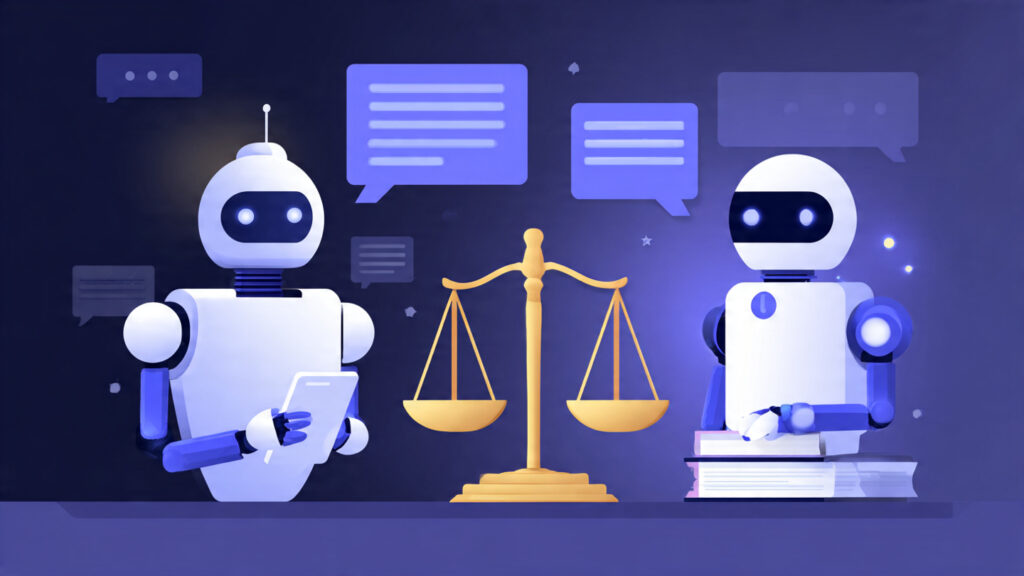
Chatbots for Legal Services: Law Firms, Notaries & Consultation Automation (2026 Guide)

December 31, 2025
chatbot for legal services

Introduction

The legal industry is known for heavy documentation, time-consuming client communication, repetitive queries, and complex processes. In 2025, law firms, notaries, legal consultancies, immigration lawyers, compliance teams, and online legal platforms increasingly rely on AI chatbots to streamline workflows, automate communication, and deliver better client experiences.


Chatbots in the legal sector help:


Offer trade-in value estimates
Qualify leads
Provide legal service information
Assist with document preparation
Schedule consultations
Explain legal processes
Collect client details
Automate intake forms
Answer FAQs
Support case updates
Improve client experience


Why Legal Firms Need Chatbots in 2026

Legal firms face these challenges:

  • → High volume of repetitive inquiries
  • → Time-consuming client onboarding
  • → Missed calls and lost leads
  • → Heavy administrative workload
  • → Inefficient scheduling
  • → Long case resolution windows
  • → High expectations for transparency

AI chatbots solve these problems by providing:

  • → 24/7 legal inquiry handling
  • → Automated lead qualification
  • → Better client intake
  • → Faster onboarding
  • → Real-time updates
  • → Reduced operational costs
  • → Improved client satisfaction

What Chatbots Can Do for Legal Services

A legal chatbot identifies potential clients by asking:

  • “What type of legal issue do you need help with?”
  • “When did the issue occur?”
  • “Are there any active deadlines or court dates?”
  • “What’s your preferred consultation time?”

Pros

  • This allows lawyers to focus on serious clients, not general inquiries.

Cons

Most legal intakes require detailed background information. Chatbots guide users step-by-step while collecting:

  • Contact information
  • Nature of case
  • Supporting documents
  • Key facts
  • Evidence
  • Preferred outcome

Pros

  • This reduces human labor by 50–70%.

Cons

Chatbots sync with:

  • Google Calendar
  • Outlook
  • Law firm scheduling apps

And automate:

Pros

  • Consultation booking
  • Rescheduling
  • Cancellations
  • Reminders

Cons

Clients often ask:

  • “What’s happening with my case?”
  • “Has my form been filed?”
  • “When is my hearing?”

Pros

  • Bots provide: Status updates
  • Bots provide: Document submission confirmations
  • Bots provide: Timeline expectations
  • This eliminates back-and-forth communication.

Cons

Legal processes are confusing to clients.

Chatbots explain:

  • Divorce process
  • Immigration steps
  • Business registration
  • Will creation
  • Legal rights
  • Dispute resolution systems

Bots do not provide legal advice — they provide legal education.
Bots can guide users through:

  • Will preparation
  • Contract creation
  • NDAs
  • Power of Attorney
  • Incorporation documents


Pros

  • AI helps gather the correct details.

Cons

Chatbots help users:

Pros

  • Understand notary requirements
  • Book notarization
  • Upload documents for verification
  • Receive next-step instructions

Cons

Bots answer common questions:

Pros

  • Fees
  • Process durations
  • Required documents
  • Eligibility criteria

Cons

Best Chatbots for Legal Services (2026)

1. Tidio AI — Best for Law Firm Websites

Features:

Legal intake automation
FAQ responses
Appointment scheduling
AI explanations
Client routing

Perfect for:

Small law firms
Solo lawyers

Immigration consultants

2. Botsonic AI — Best for Legal Information Websites

Features:

Ingest laws, guides, case FAQs
Provide simplified explanations
Customizable chatbot design
Great for:
Legal education sites
Online legal platforms
Government portals

3. Botpress AI — Best for Enterprise Legal Teams

Features:

Advanced workflows
Integration with case management systems
Role-based security
Multi-step legal automations

Ideal for:

Large law firms
Legal outsourcing companies
Corporate compliance teams

4. ManyChat — Best for Social Media Lead Generation

Lawyers using Instagram & Facebook ads often use ManyChat to capture leads instantly.

Legal Chatbot Scripts (Copy & Paste)

Script 1: Lead Qualification Script

“Hi! 👋
What legal issue do you need help with today?”

Immigration
Family law
Business law
Criminal defense
Real estate
Contracts

Script 2: Immigration Support Script

“What type of immigration service are you seeking?”

Visa application
Work permit
Permanent residency
Citizenship
Appeal support

Bot collects details and offers the next steps.

Script 3: Family Law Intake Script

“To understand your case, I need a few details.”

Type of family issue
Duration
Urgency level
Court involvement
Documents available

Script 4: Case Status Update Script

“Please enter your case reference number.”
Bot displays:

Current stage
Assigned lawyer
Next steps
Required documents

Script 5: Consultation Booking Script

“When would you like to schedule a consultation?
Choose an available time slot below.”

Bot syncs with calendars.

Script 6: Legal Document Preparation Script

“I can help you create a legal document.
Which one do you need?”

Will
Contract
NDA
Business registration
Power of attorney
Bot asks follow-up questions.

Regulatory & Ethical Considerations

Legal chatbots must:

  • → Display disclaimers (“Not legal advice”)
  • → Avoid giving final legal opinions
  • → Maintain confidentiality
  • → Avoid storing sensitive personal data unless encrypted

They can provide:

  • → Educational guidance
  • → General process information
  • → Intake questions
  • → Document checklists
How Chatbots Increase Revenue for Legal Firms

More leads convert into consultations

Faster onboarding → more billable hours

Reduced admin work → staff savings

Automated FAQs → improved client satisfaction

24/7 website conversions
Better follow-up management

FAQs

Yes, as long as they provide general guidance, not legal advice.

They can guide clients through preparation but require human review.

They automate intake, FAQs, scheduling, and client communication.

Yes — when connected to case management systems.

Yes — AI bots can communicate in many languages.